

Blepharoplasty | Eyelid Surgery
Blepharoplasty (Eyelid Surgery) in Scottsdale, AZ
Your eyes are often one of the first areas to show visible signs of aging. Drooping upper eyelids, puffiness beneath the eyes, and excess skin can create a tired or heavy appearance, even when you feel well-rested.
At Dr. Shaun Parson Plastic Surgery & Skin Center in Scottsdale, Arizona, double board-certified plastic surgeon Dr. Shaun Parson offers personalized blepharoplasty (eyelid surgery) to address these concerns while maintaining the natural character and expression of your eyes.
Whether you are considering upper eyelid surgery, lower eyelid surgery, or a combination of both, Dr. Parson evaluates your unique anatomy and aesthetic goals to develop an individualized surgical plan.
What Is Blepharoplasty?
Blepharoplasty is a surgical procedure designed to improve the appearance of the upper eyelids, lower eyelids, or both. Over time, changes in skin elasticity, muscle support, and fat distribution can contribute to hooded eyelids, under-eye bags, and a less rested appearance.
Depending on your individual concerns, eyelid surgery may address:
-
Excess or sagging upper eyelid skin
-
Puffy bags beneath the eyes
-
Loose or crepey lower eyelid skin
-
A heavy or tired-looking appearance
-
Upper eyelid skin that interferes with peripheral vision in some patients
The goal of blepharoplasty is not to dramatically change the way you look. Instead, it is to create a refreshed appearance that complements your existing facial features.
Types of Blepharoplasty Available in Scottsdale
Eyelid surgery is not a one-size-fits-all procedure. Dr. Parson considers the position of your eyebrows, the amount of excess eyelid skin, under-eye fullness, and surrounding facial anatomy when recommending treatment.
Upper Eyelid Surgery (Upper Blepharoplasty)
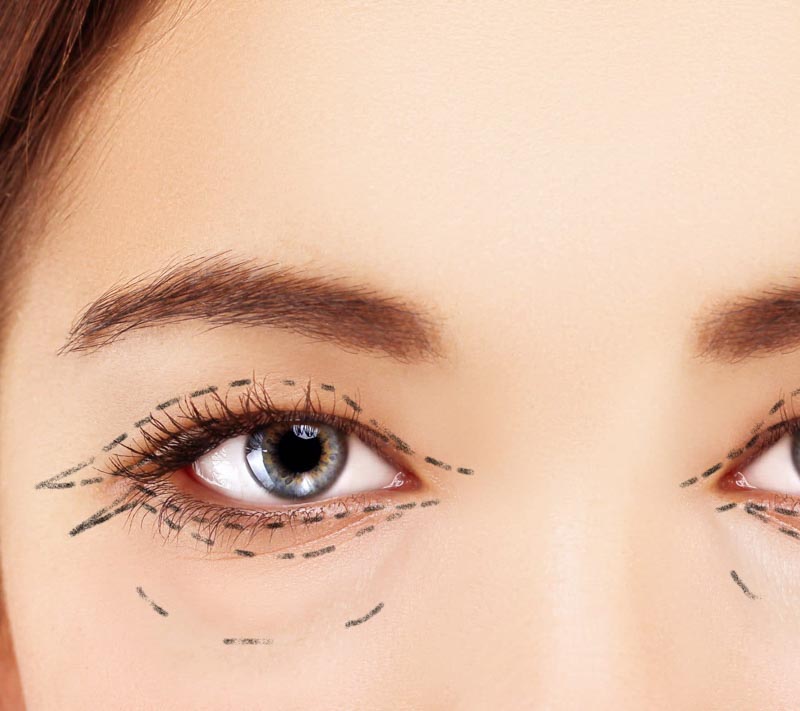
Upper blepharoplasty addresses excess skin and, when appropriate, fat in the upper eyelids. As the skin around the eyes loses elasticity, it may begin to fold over the natural eyelid crease, creating a hooded or heavy appearance.
During upper eyelid surgery, carefully planned incisions are generally placed within the natural eyelid crease. Excess tissue is addres
sed to improve the upper eyelid contour while preserving a natural appearance.
For some patients, upper blepharoplasty may also improve peripheral vision when excess upper eyelid skin obstructs the visual field. This depends on the underlying cause and requires an individual evaluation.
Lower Eyelid Surgery (Lower Blepharoplasty)
Lower blepharoplasty focuses on concerns such as puffiness, under-eye bags, and loose skin beneath the eyes.
Depending on your anatomy, the procedure may involve repositioning or removing excess fat, addressing skin laxity, or combining techniques to create a smoother transition between the lower eyelid and cheek.
Incisions may be positioned just beneath the lower eyelashes or inside the lower eyelid, depending on the surgical approach.
Quad Blepharoplasty (Upper and Lower Eyelid Surgery)
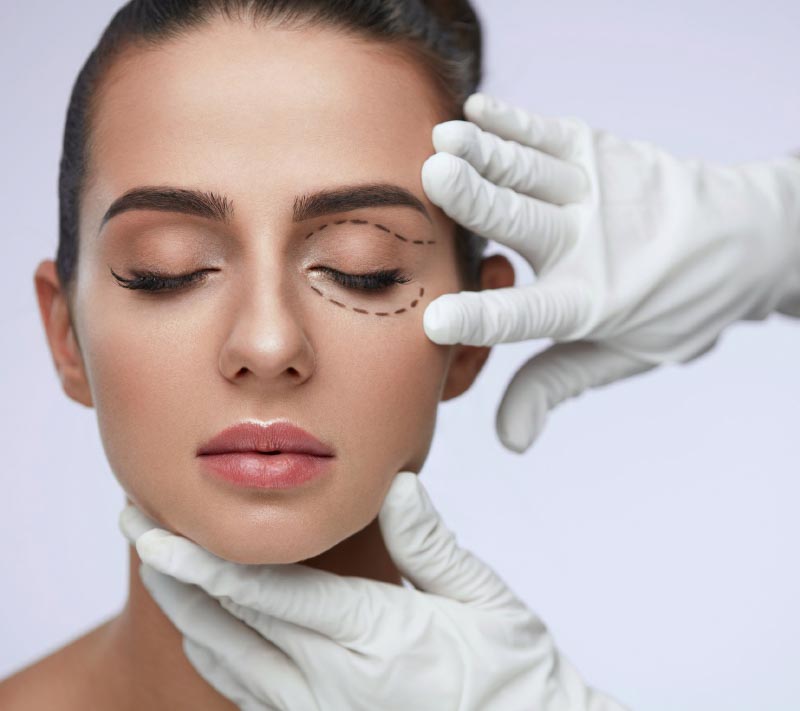
Quad blepharoplasty combines upper and lower eyelid surgery to address aging changes around both the upper and lower eyelids.
For patients experiencing both hooded upper eyelids and under-eye bags, this combined approach may provide more balanced rejuvenation.
By treating both areas during one surgical plan, Dr. Parson can address multiple concerns while considering the overall harmony of the eyes and surrounding facial structures.
Candidates for Eyelid Surgery
Am I a Good Candidate for Blepharoplasty?
Blepharoplasty may be an option for adults who are bothered by changes around their eyes and want to explore surgical correction.
You may be a candidate if you:
-
Have excess skin on the upper eyelids
-
Notice persistent under-eye bags or puffiness
-
Feel your eyes appear tired or heavy
-
Are in generally good health
-
Have realistic expectations about surgical results
-
Want to address eyelid changes that cannot be adequately improved with nonsurgical treatments
Certain medical conditions, dry eye symptoms, prior eye surgeries, and medications may affect surgical planning. During your consultation, Dr. Parson will review your health history and examine your eyelids to determine whether surgery is appropriate.
Blepharoplasty vs. Brow Lift: Which Is Right for You?
Not all heaviness around the upper eyes is caused by excess eyelid skin. In some patients, a lowered eyebrow position contributes to the appearance of hooded eyelids.
Blepharoplasty removes or repositions tissue in the eyelids, while a brow lift addresses the position of the eyebrows and forehead tissues.
Dr. Parson evaluates both areas during your consultation to determine whether eyelid surgery, a brow lift, or a combination may best address your concerns.

Why Choose Dr. Shaun Parson for Blepharoplasty in Scottsdale?
Choosing a qualified plastic surgeon is an important part of planning facial rejuvenation surgery, particularly around the delicate eye area.
Dr. Shaun Parson is a double board-certified plastic surgeon serving Scottsdale and the surrounding Phoenix area. His approach to eyelid surgery emphasizes individualized planning, careful attention to facial anatomy, and natural-looking results.
During your consultation, Dr. Parson takes time to understand what concerns you about your eyelids, explain the available surgical approaches, and discuss realistic expectations.
Rather than applying the same technique to every patient, he considers how the eyelids relate to the eyebrows, cheeks, and overall facial proportions.
Our Scottsdale practice provides a personalized experience from your initial consultation through postoperative follow-up.
Take a Look
Featured Eyelid Videos
Video: Blepharoplasty-The Prescription for Resetting the Clock

Video FAQ: Blepharoplasty Recovery Time
Video: Browlift vs. Blepharoplasty
Consultation and Procedure
What to Expect During Your Blepharoplasty Consultation
Your consultation begins with a discussion of your concerns, goals, medical history, and previous procedures.
Dr. Parson will evaluate your upper and lower eyelids, skin quality, fat distribution, eyebrow position, and surrounding facial structures. He will explain which surgical options may be appropriate and what improvements can realistically be expected.
You will also have the opportunity to ask questions about anesthesia, recovery, potential risks, and postoperative care.
How is Blepharoplasty Performed?
The surgical technique depends on whether you are undergoing upper eyelid surgery, lower eyelid surgery, or both.
For upper blepharoplasty, incisions are typically positioned within the natural eyelid crease. Lower eyelid surgery may use an incision beneath the eyelashes or inside the lower eyelid, depending on the anatomy and planned correction.
Excess skin and fat may be removed or repositioned as appropriate. The specific anesthesia plan and surgical setting are discussed before your procedure.
Recovery and Results
Blepharoplasty Recovery: What to Expect After Eyelid Surgery
Recovery varies depending on the extent of surgery, your healing response, and whether upper and lower eyelid procedures are combined.
Swelling, bruising, tightness, and temporary discomfort are common during the early recovery period. Many patients experience noticeable improvement in bruising and swelling within approximately 10–14 days, although healing continues beyond this initial period.
Dr. Parson and his team provide individualized postoperative instructions, including guidance on incision care, activity restrictions, follow-up appointments, and when you may resume normal activities.
How Long Does It Take to Recover From Blepharoplasty?
Many patients plan approximately one to two weeks away from work or major social activities, depending on the procedure and their comfort level with visible swelling or bruising.
Strenuous exercise and other activities may need to be limited for longer, based on your surgeon’s instructions.
Will I Have Visible Scars After Eyelid Surgery?
Blepharoplasty incisions are generally placed in locations intended to make scars less noticeable as they heal.
Upper eyelid incisions are commonly positioned within the natural eyelid crease. Lower eyelid incisions may be placed beneath the lash line or inside the eyelid, depending on the technique.
Although every surgical incision produces a scar, these locations can help minimize visibility. Scar appearance varies from person to person and continues to mature over time.
How Long Do Blepharoplasty Results Last?
Blepharoplasty can produce long-lasting improvements in eyelid contour, but it does not stop the natural aging process.
Skin elasticity, genetics, sun exposure, and lifestyle factors can continue to influence the appearance of the eyelids over time.
Dr. Parson will discuss the improvements you can reasonably expect and how your individual anatomy may influence long-term results.
Frequently Asked Questions About Blepharoplasty in Scottsdale
Considering eyelid surgery? Explore answers to common questions about blepharoplasty, recovery, costs, and results at Dr. Shaun Parson Plastic Surgery & Skin Center.
How much does blepharoplasty cost in Scottsdale, AZ?
The cost of blepharoplasty varies depending on whether upper eyelid surgery, lower eyelid surgery, or a combination is performed. Anesthesia, facility fees, and procedure complexity may also affect the total cost. A personalized quote is provided after your consultation and surgical evaluation.
What is the best age for blepharoplasty?
There is no single ideal age for eyelid surgery. Some patients develop hereditary under-eye bags or hooded eyelids earlier in adulthood, while others consider surgery as age-related changes become more noticeable. Candidacy depends on anatomy, overall health, and personal goals rather than age alone.
Is upper or lower blepharoplasty more common?
Both procedures address different concerns. Upper blepharoplasty is often considered for excess or hooded upper eyelid skin, while lower blepharoplasty addresses under-eye bags and puffiness. The appropriate procedure depends on the areas you want to improve.
Can upper and lower eyelid surgery be performed together?
Yes. For appropriate candidates, upper and lower eyelid surgery can be combined in a procedure sometimes called quad blepharoplasty. Dr. Parson will determine whether combining procedures is appropriate based on your anatomy, health, and surgical goals.
Does blepharoplasty help with dark circles?
Blepharoplasty may improve shadows associated with under-eye bags or prominent fat pads. However, dark circles caused by pigmentation, thin skin, or other factors may not improve with surgery. A consultation helps determine the cause of your concerns and whether blepharoplasty is likely to help.
Is blepharoplasty painful?
Patients receive anesthesia appropriate for their procedure. After surgery, temporary tightness, swelling, bruising, and discomfort are common. Pain levels vary, and your surgical team will provide instructions for managing postoperative discomfort.
How long should I take off work after eyelid surgery?
Many patients plan approximately 10–14 days before returning to work or major social activities, although some may return sooner and others need additional time. Recovery depends on the procedure performed, the nature of your work, and your individual healing.
Will blepharoplasty change the shape of my eyes?
The goal of cosmetic blepharoplasty is generally to improve eyelid contours while preserving your natural appearance. However, eyelid position or shape can change after surgery, and complications such as asymmetry or lower eyelid malposition are possible. Dr. Parson will discuss these considerations during your consultation.
What are the risks of eyelid surgery?
Like any surgical procedure, blepharoplasty carries risks. These can include bleeding, infection, dry eyes, difficulty closing the eyes, scarring, asymmetry, changes in eyelid position, and the possible need for additional surgery. Rare but serious complications can affect vision. Your surgeon will review your individual risks and the steps taken to reduce them.
Can blepharoplasty be combined with a facelift or brow lift?
In selected patients, blepharoplasty may be performed alongside a brow lift, facelift, or another facial rejuvenation procedure. Combining surgeries is not appropriate for everyone, and recommendations depend on your anatomy, health, and treatment goals.